

U.S. and Israeli strikes on Iran have paralyzed oil shipments through the Strait of Hormuz, sending crude prices toward $93 a barrel — but the U.S. economy is far less vulnerable than it was during the 1970s energy crises. Manufacturing and services activity are near multi-year highs, private employers added more jobs than expected in February, and momentum strategies are already rotating away from a weakening tech sector toward energy. The real question is what this oil shock means for inflation, and whether the Federal Reserve — already constrained to fewer than two rate cuts this year — can thread the needle between growth and price stability.
US Economy
What is $1 from 1790 equivalent to today?
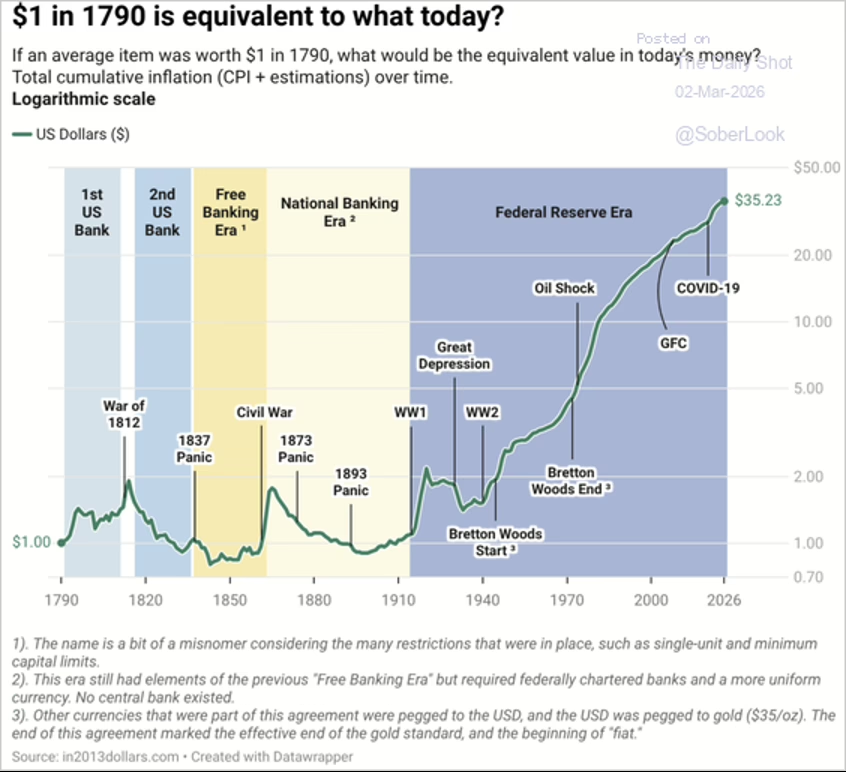
Source: r/Charts Read full article
The ISM manufacturing PMI remained firmly in expansionary territory, near the highest reading in over three years. The ISM Services PMI surged to the highest level since mid-2022, well above expectations.
According to ADP, private employers added 63k jobs in February—the strongest hiring since July—exceeding expectations and signaling a gradual stabilization in the labor market. Most of the job gains came from smaller businesses.
The Redbook index showed a slight acceleration in same-store sales growth for the week ending February 28. The Weekly Economic Index has been strong. Both soft data and hard data currently point to robust growth in the US.
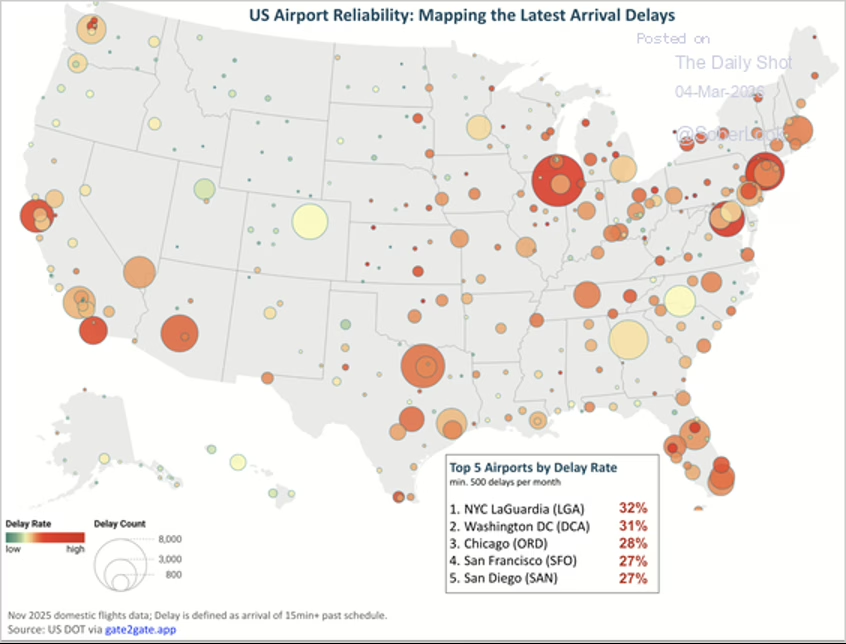
Which US airports tend to have delays?
This map shows how much workers earn per hour in each US state.
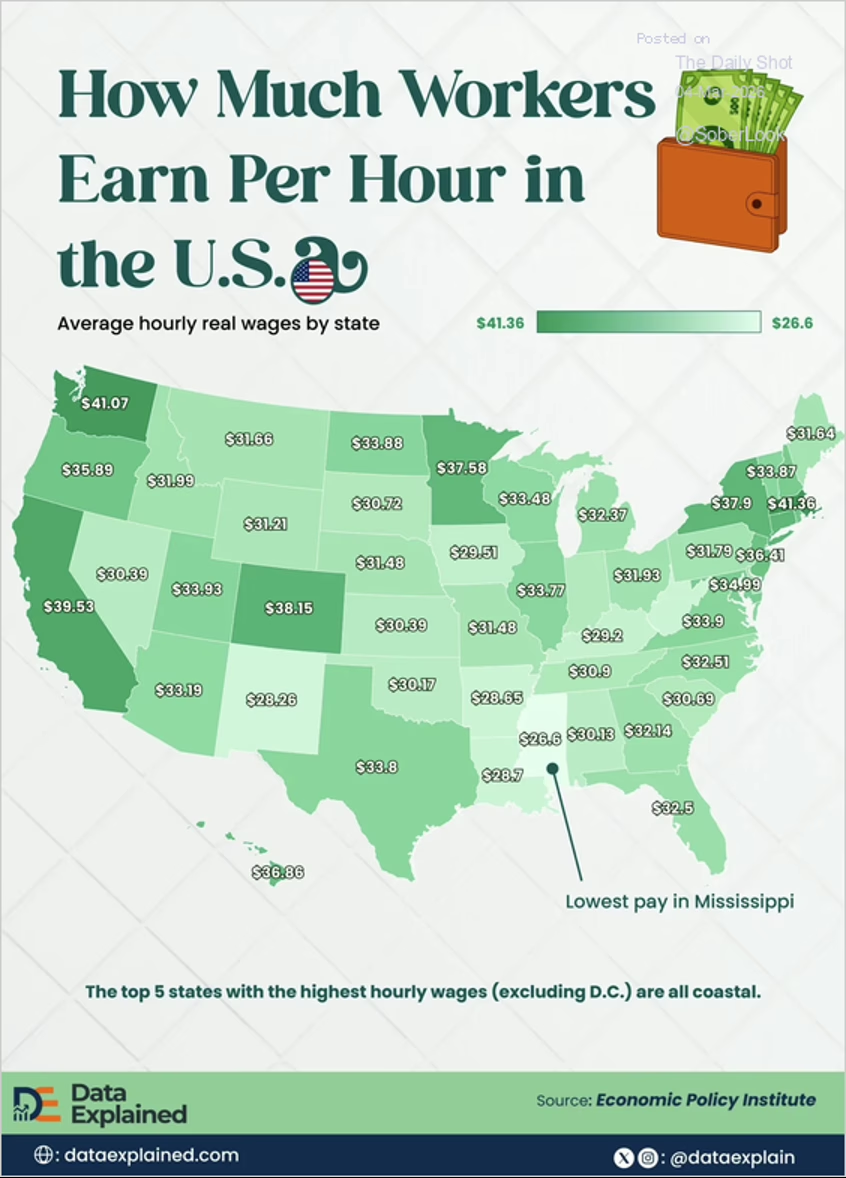
Source: Visual Capitalist Read full article
Podcasts have overtaken AM/FM radio as the leading spoken-word audio format in the US for the first time.
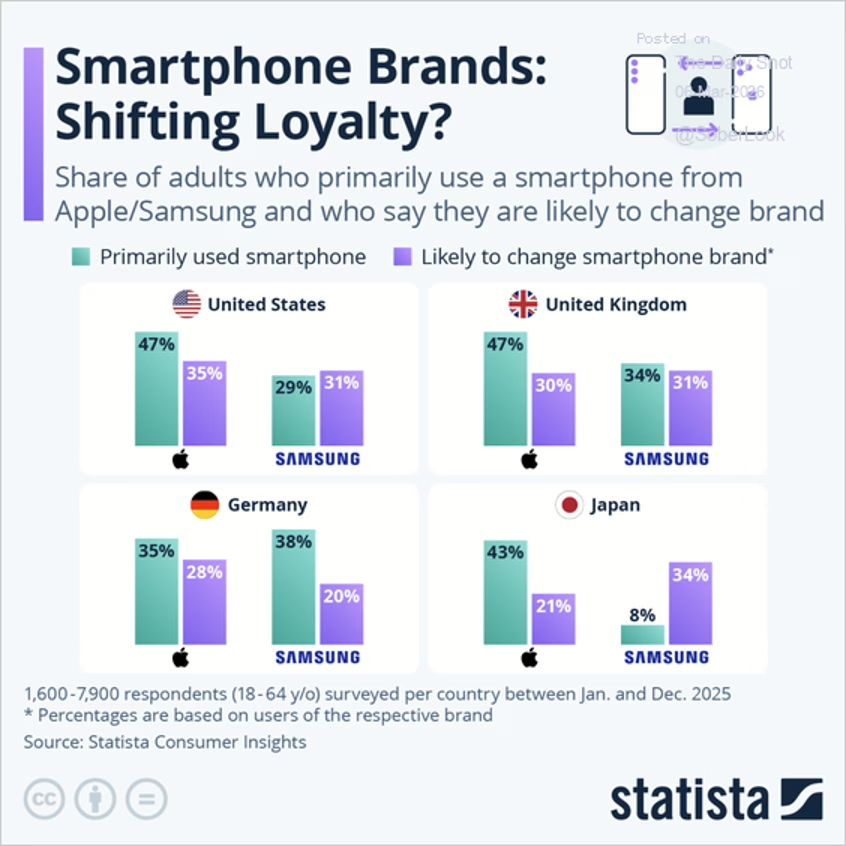
Apple leads smartphone usage in the US, the UK, and Japan, while Samsung dominates in Germany; however, roughly one-third of users of both brands across these markets say they are likely to switch brands.
Iran War and World Oil
With oil shipments through the Strait of Hormuz paralyzed, people are thinking back to the 1970s embargos. Those old enough to remember gasoline rationing and long lines at fuel stations know it wasn’t fun. Could something similar happen again? Probably not. Today’s economy is nowhere near as oil-driven. This chart shows US GDP growth and oil consumption, both indexed to 1978. The economy has tripled in size while oil consumption stayed mostly flat.
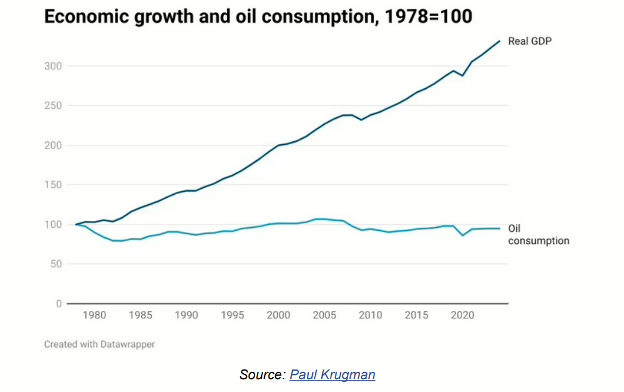
Several changes explain this feat. Today’s vehicles are far more fuel efficient. Also, relatively cheap natural gas has replaced oil for many uses. Renewable energy contributes as well. Economist Paul Krugman, who made the chart, says this reduced “oil intensity” means “even if the current war causes a large, sustained increase in oil prices, there will be less economic damage inflicted as a comparable increase would have done a few decades ago.”
The key question in discerning impact of lost oil shipments lies in where those shipments would have gone. The answer is in the blue bars on the right, showing the destination of oil tankers going through the Strait of Hormuz. It turns out most of this oil goes to Asia, particularly China but also Japan, India and other large economies.
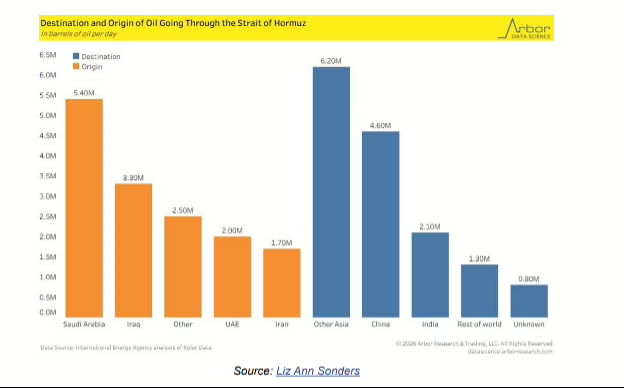
Loss of these shipments has always been a risk, of course, and those countries have tried to prepare. China has built pipelines to import Russian oil and gas overland, for example. But it’s not clear if those efforts can replace the lost Middle East oil, should the war continue for more than a few weeks.
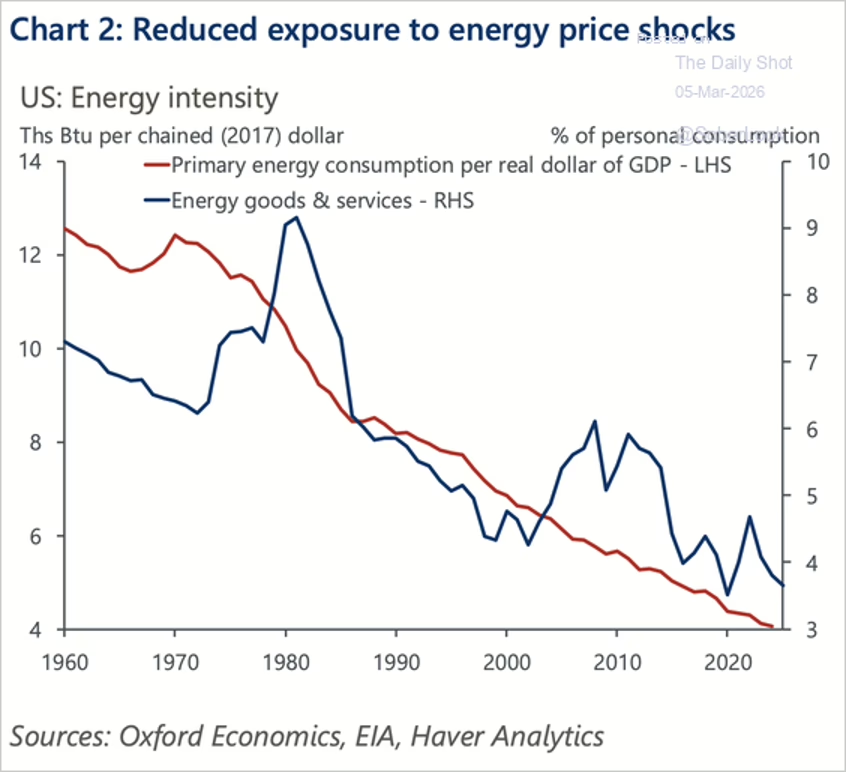
The US economy is less vulnerable to oil supply shocks than in the past. Energy intensity, or energy consumption per unit of GDP, has steadily declined thanks to a more services-oriented economy, greater energy efficiency, and technological advances. The share of consumer spending going toward energy goods and services is also near an all-time low.
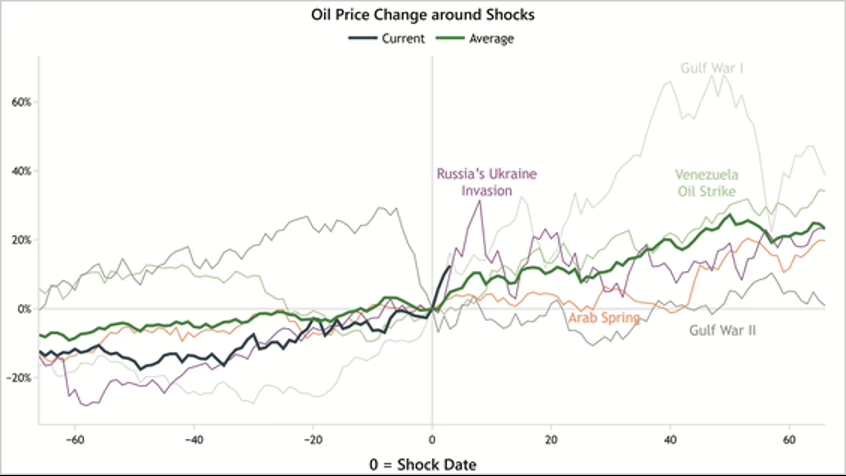
Oil prices rose an average of 23% over three months in previous oil shocks.
Source: Simple But Not Easy Read full article
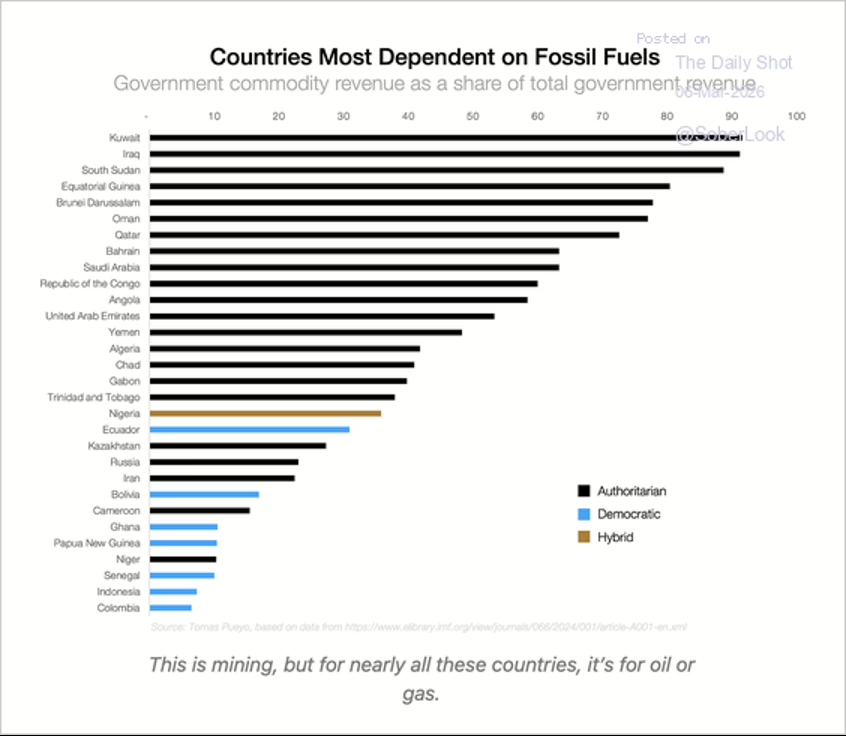
Countries that are most dependent on fossil fuels tend to have authoritarian governments.
US Stock Market
Precious metals sold off, as a stronger US dollar and rising Treasury yields—driven by expectations that energy-related inflation will keep the Federal Reserve on hold longer—outweighed safe-haven demand.
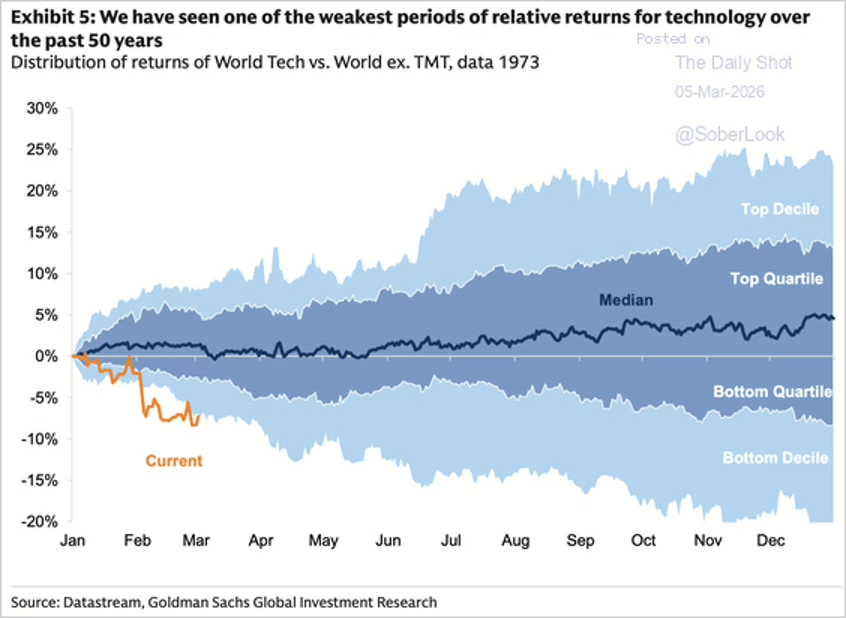
The technology sector is experiencing one of the weakest periods relative to other sectors over the past 50 years.
The Fed
Markets are now pricing in fewer than two rate cuts for 2026.
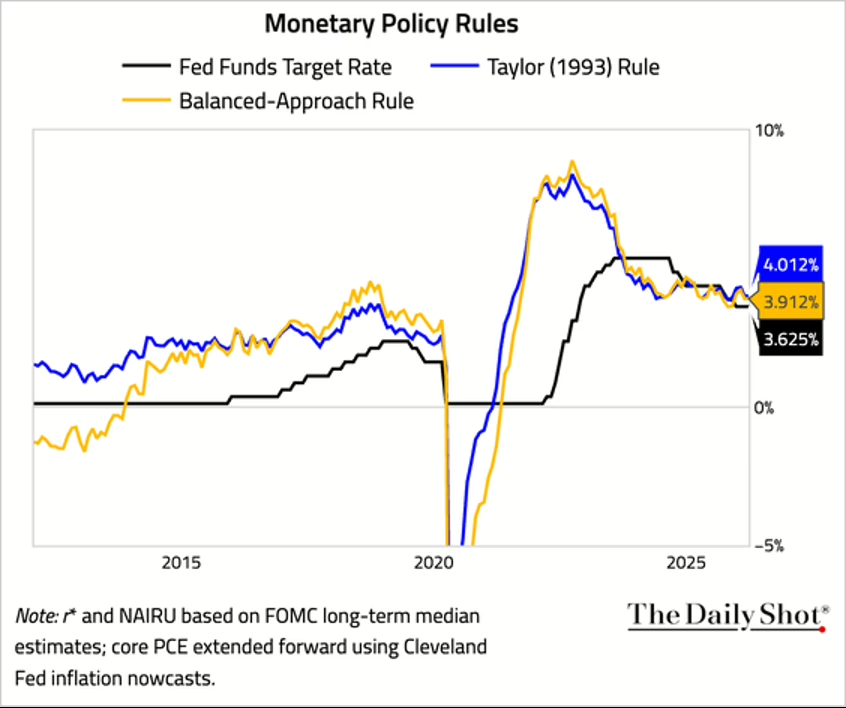
Monetary policy rules suggest the Fed funds target should be 3.9%–4%, higher than the current level.
Goldman estimates that a 10% increase in crude oil prices increases core inflation by 4 bps and headline inflation by 20–30 bps.
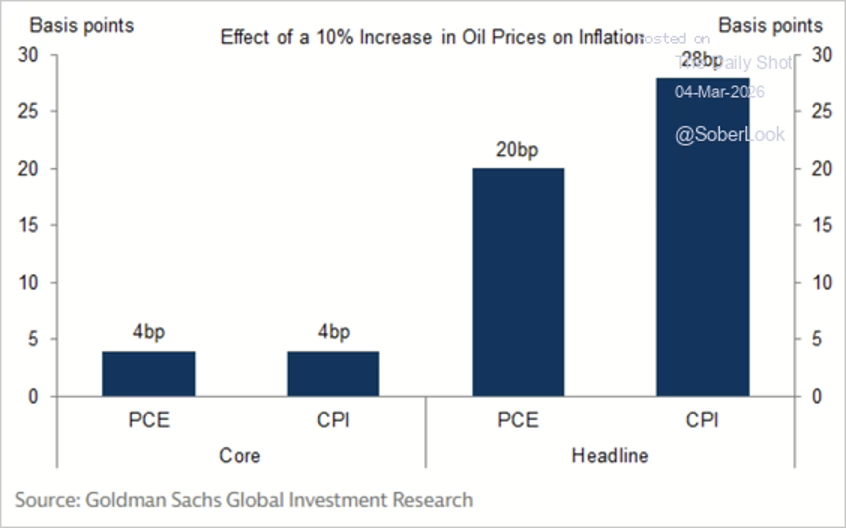
Source: Goldman Sachs
President Trump formally nominated former Fed governor Kevin Warsh as chair of the Federal Reserve, but his confirmation faces uncertainty as Senate opposition tied to a Justice Department probe into the Fed could block the nomination.
Great Quotes
“The two most important days in your life are the day you are born… and the day you find out why.”
~ Mark Twain
Picture of the Week
The Dolomites, northern Italy

All content is the opinion of Brian Decker